


Water Bankruptcy: The Hidden Cost of Unsustainable Growth
Dr. Santosh Kumar Mohapatra
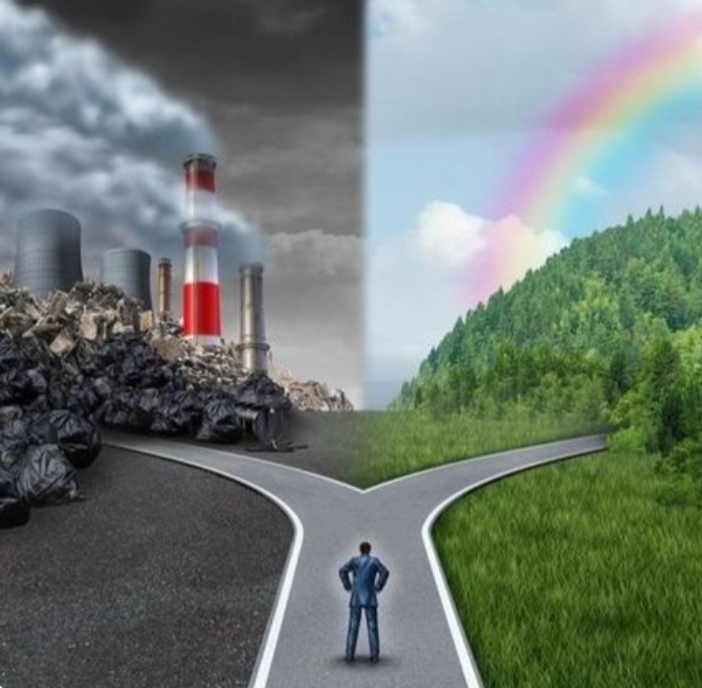
Governments, the IMF, the World Bank, and economists frequently celebrate GDP growth as the primary measure of economic progress. Economic growth is undoubtedly important for improving living standards, but when it is pursued without regard for environmental sustainability, it comes at an enormous cost. The relentless exploitation of natural resources, destruction of ecosystems, pollution, and global warming are steadily undermining the very foundations of human well-being. Climate change is already contributing to the spread of diseases, extreme weather events, and growing threats to public health.
Among the gravest challenges humanity is likely to face in the coming decades is the scarcity of freshwater and the alarming depletion of groundwater. We may leave behind vast wealth, modern infrastructure, and valuable assets for future generations, but without adequate water, much of that prosperity will become meaningless. Economic wealth cannot substitute for the natural resources upon which life itself depends.
Unfortunately, short-term political considerations often take precedence over long-term environmental stewardship. Too many political leaders remain focused on winning the next election rather than safeguarding the interests of future generations.
Water researchers have introduced the concept of “water bankruptcy” to describe an irreversible stage of water depletion in which natural and human-induced pressures exhaust available freshwater resources. This alarming condition is no longer a distant possibility; it is becoming a reality in many parts of the world. If current patterns of excessive consumption, groundwater over-extraction, deforestation, and climate change continue, many regions may face a future where water scarcity becomes permanent rather than temporary.
The real measure of development is not merely how rapidly an economy grows, but whether that growth preserves the natural resources essential for human survival. Sustainable development demands that economic progress be balanced with environmental protection, ensuring that future generations inherit not only wealth, but also clean air, fertile land, and, above all, sufficient water to sustain life.












Leave a Reply