

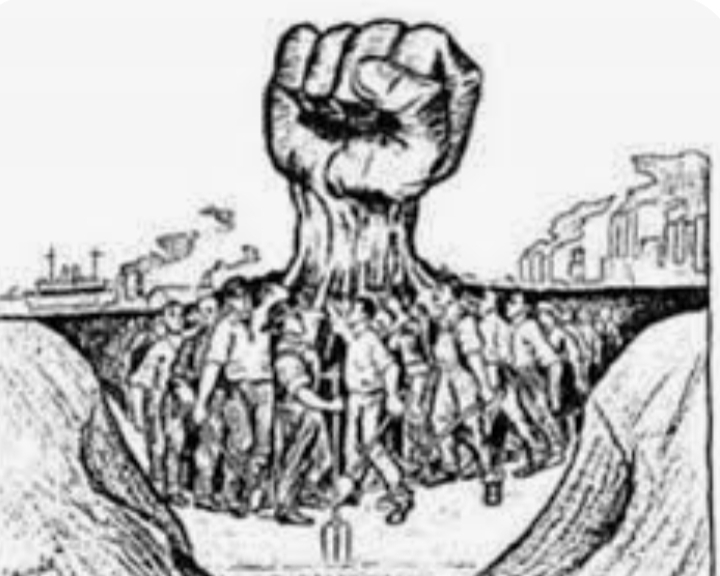
Economics: The Intellectual Foundation of Effective Trade Unionism
By Dr. Santosh Kumar Mohapatra
Trade union work demands knowledge of many subjects—history, political science, sociology, culture, religion, law, and public policy. Each of these disciplines is important in shaping a well-rounded understanding of society. However, if one subject forms the intellectual backbone of effective trade union activity, it is economics.
A trade union activist must have a sound grasp of economic concepts to respond quickly and confidently to changing developments. For instance, when the Union Budget is presented, comrades often seek immediate views on its implications. Unless one is well versed in economics, it becomes difficult to understand the significance of the announcements, analyse their impact, and offer an informed opinion without delay.
Unlike many other subjects, economics is dynamic and constantly evolving. Economic policies, market conditions, fiscal decisions, and global developments change almost every day. While one may take time to study and prepare before writing or speaking on history, sociology, culture, or religion, economics often demands instant comprehension and timely analysis. An economist or trade union activist cannot afford to remain silent until much later, when the public debate has already moved on.
Trade union activities and ideological struggles are closely linked to changes in economic policies. Liberalisation, privatisation, labour reforms, taxation, public expenditure, inflation, unemployment, and inequality directly influence the lives of working people. Therefore, a trade union activist who lacks economic understanding is at a significant disadvantage in both organisational work and ideological debates.
Unfortunately, in recent years, the government has steadily reduced the importance of credible economic statistics and institutional data that were once essential for evaluating its performance. Many statistical indicators have become less reliable, less transparent, or less relevant for informed public discussion. At the same time, trade unions and progressive forces are no longer engaging with economic issues as rigorously and consistently as they did in the past. This weakening of economic discourse has inevitably affected the strength and effectiveness of our movement.
If trade unions are to remain relevant and capable of defending the interests of working people, they must once again place economics at the centre of their educational and ideological efforts. A strong understanding of economics is not merely an academic requirement; it is an indispensable tool for effective leadership, informed advocacy, and meaningful social transformation.















Leave a Reply