

Decoding 2 years of BJP Government in Odisha
Pradeep Kumar Panda Economist Darshan Samikhya Bhubaneswar
BJP-led government in Odisha under CM Mohan Charan Majhi has crossed two years term in June 2026 span across multiple sectors. Analysis of this tenure draw primarily from opposition BJD statements, NCRB data, CAG performance audits, Economic Survey figures, DPIIT FDI statistics, Assembly replies, and media reports of high-profile incidents up to mid-September 2026.
Law and Order / Crimes Against Women
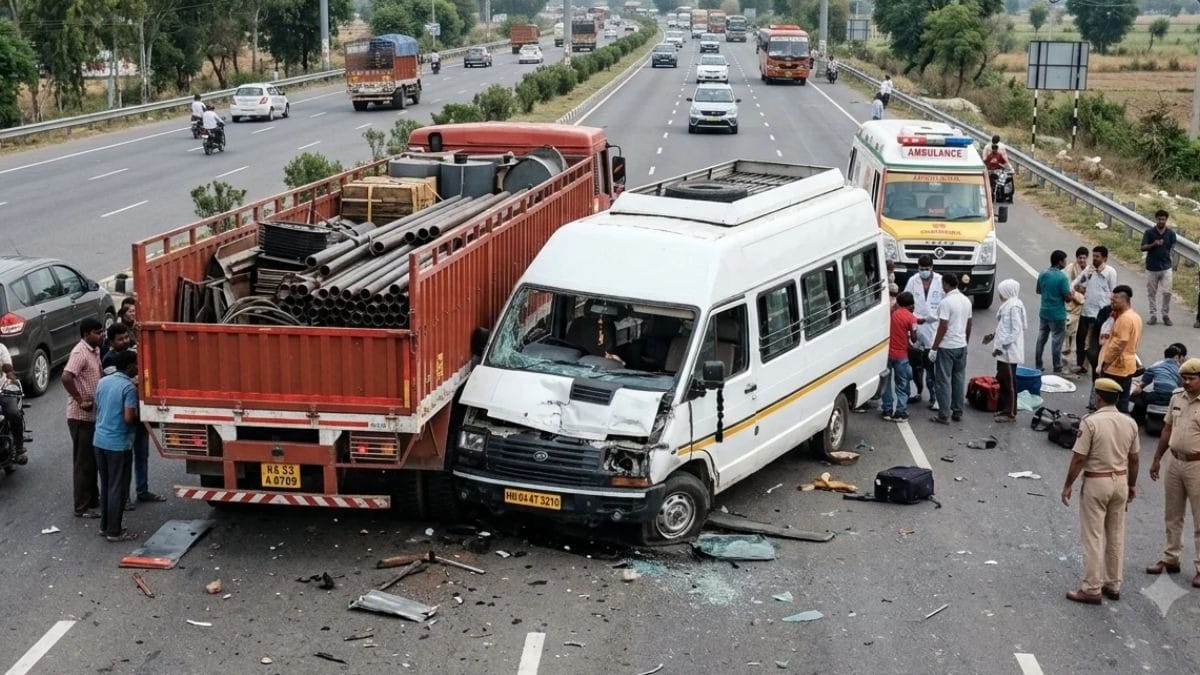
NCRB data for 2024 showed Odisha topping the national rate for violent crimes (161.6 victims per lakh population; 75,403 cases) and ranking second for crimes against women (118.3 per lakh women; cases rose from 25,914 in 2023 to 27,449 in 2024). Overall cognizable crimes rose 7.3% from 214,113 in 2024 to 229,881 in 2025. Assembly data indicated tens of thousands of crimes against women registered since June 2024 (e.g., 37,611 in the first 14 months; over 53,000 in 18–21 months depending on the cut-off; 5.6% rise from ~30,958–32,687 in 2024 to 33,021 in 2025). Categories included high numbers of molestation, abduction, torture (dowry and non-dowry), and sexual harassment; rape cases showed mixed trends (slight dip in some periods but remained elevated, averaging 8/day in 2025 reports). Bhubaneswar saw a sharp local spike (e.g., 139% rise in one year). High-profile incidents cited include the Gopalpur beach gang rape (2025), Soumyashree Bisi Self Immolation, Balanga minor burn death, Dauli Gang rape, Baliharchandi Gang Rape, Death of traffic police Sanghamitra Jena, mob lynching of a GRP constable (2026), and gang clashes. BJD claimed ~48,798 crimes against women in 18 months and national topping ranks in public sexual harassment/violent crimes. Police responses included special wings and courts, but critics pointed to policing gaps and public safety concerns.
Slowdown of Economic Growth and Investment Failures
Economic Survey data showed real GSDP growth moderating from higher pre-2024 levels (9.6% in 2023–24) to 7.2% in 2024–25, then recovering to an estimated 7.9% in 2025–26. GSDP at current prices approached ₹9.9 lakh crore. Sectoral claims included agricultural growth roughly halving (7.6% to 3.8%), industry slowing (8.7% to 6.1%), and services dipping (11.5% to 10%). Debt rose (cited at ₹1.56 lakh crore, with significant 40% Open Market high-interest borrowings); fiscal deficit and primary deficit widened in some periods.
FDI equity inflows were very low: DPIIT data for FY 2024–25 showed Odisha at ₹39 crore (0.009% of India’s ₹4.22 lakh crore total), ranking near the bottom among states. BJD alleged exit or stalling of projects (JSW EV, ArcelorMittal, semiconductor, solar, textile proposals). Startup Index ranking slipped (cited from 6th to 20th) and Export Index from 11th to 15th. Large investment intents (e.g., Utkarsh Odisha conclave proposals of ₹16+ lakh crore) were announced, but conversion to grounded projects and job creation lagged relative to claims, per critics. Jobs were a noted pain point despite industrial momentum.
Agriculture and Food Security
Paddy procurement continued at elevated rates (with input assistance), but issues included FCI rice-lifting shortfalls (risking storage/procurement crises), registration/mandi problems, and farmer dissatisfaction. Inflation in Odisha often ran above the national average (e.g., 5.52% retail in one recent month vs. national 4.82%; higher rural rates; cited persistent above-national trend). This affected essential commodities. Agricultural growth moderation was flagged in opposition critiques.
Education and Examinations failures
Multiple examination-related problems were reported (26 instances of failures, cancellations, postponements, irregularities, or leaks in two years), including a Utkal University +3 second-semester question-paper leak (September 2026). Textbook issues included over 2600 errors in new Classes 1–8 books (aligned with NEP), prompting a high-level probe; printing costs and quality drew criticism. Other concerns involved delays or U-turns on schemes (e.g., milk in mid-day meals) and student stress from disruptions.
Welfare, Pensions, and Social Schemes Failures
Pension delays affected large numbers (BJD claimed 20 lakh old-age pension beneficiaries unpaid for months in periods like April–June; ongoing reports of glitches). The promised hike to ₹3,500 was restricted (e.g., mainly for 80+ or severe disability cases). CAG audits highlighted major gaps: 54% of PVTG population (1.6 lakh of 2.94 lakh) excluded from key schemes due to failure to cover newly notified villages via Micro Project Agencies; many irrigation/drinking water/nutrition assets defunct or idle; late-marriage incentives underperformed. MGNREGS provided full 100 days to only a small fraction of demanding households (often 6–11% range in audited periods; some districts far lower), with denied work, unpaid unemployment allowance, incomplete works, and fund diversions.
Construction-worker welfare (Nirman Shramik) saw major frauds: 2,487 “dead” workers whose nominees received death benefits while they continued drawing rations (including biometric authentication post-“death”); fake certificates and manipulated marriage records for assistance (hundreds of cases, crores involved). These appear in CAG draft findings for 2024–25. Budget underutilization was flagged (e.g., low percentage spent by mid-year in some reports); central grants declines were alleged.
Infrastructure and Revenue Administration
Slow progress and quality concerns on roads, flyovers, and bypasses were raised even by BJP MPs (e.g., Nabarangpur bypass ~10% physical progress after 21 months of a 24-month timeline; Gate Bazar flyover delays and material-quality doubts in Berhampur). Revenue/disaster management faced land-record mutation/RoR backlogs, pending compensations, vigilance cases on officials, and alleged irregularities in disaster relief utilization/fake claims. Road conditions were said to have deteriorated in places relative to prior periods.
Other Reported Issues include illegal mining/sand mining increases and distress migration continued as concerns, 185 elephant deaths in 18 months, 446 migrant labour death, alleged U-turns on promises (pensions, metro suspension, student elections, etc.); high CM residence renovation spending with RTI denials on security grounds; underutilization of funds and pending UCs in CAG state finances reviews, Gaps in scheme delivery noted in broader audits (e.g., supplementary nutrition shortfalls, idle centers).