
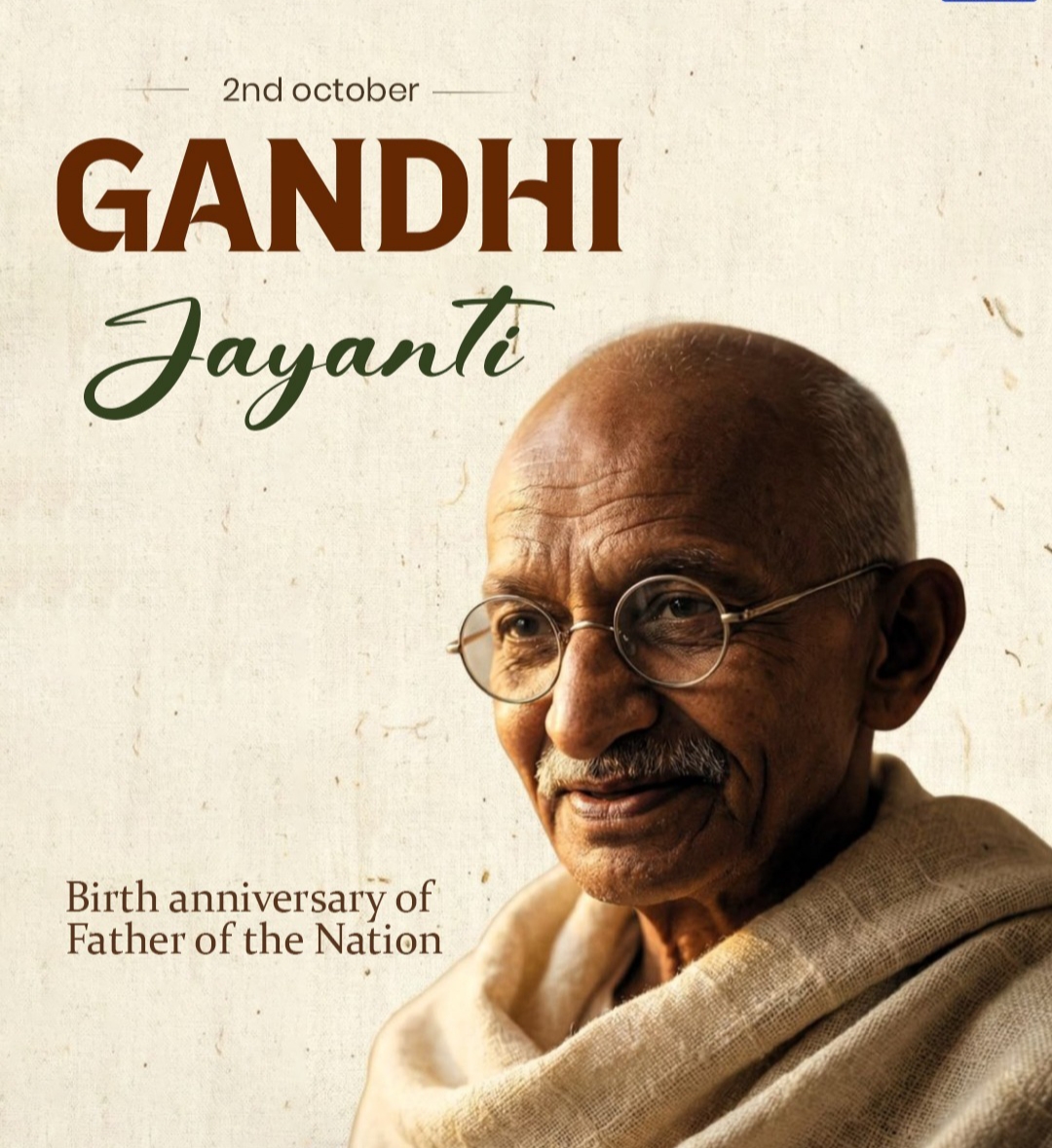
Gandhiji resigned from the Congress twice:
1934: Fully resigned membership (and formal association) over ideological differences on non-violence as a creed, khadi/village industries, constructive programme, and parliamentary politics.
1940–1942: Stepped down from active leadership due to differences with Congress over absolute non-violence and India’s stance in World War II.
Ideological Differences: He disagreed with growing factions within the party, including parliamentary politicians and socialists led by Jawaharlal Nehru.
View on Non-Violence: He felt that many members viewed ahimsa (non-violence) and satyagraha as a political tool rather than a fundamental way of life.
Constructive Programme: He wanted to step away from active party politics to dedicate his time to rural upliftment, the eradication of untouchability, Harijan welfare, and hand-spinning (Khadi).
Avoiding Overwhelming Influence: He believed his massive popularity inside the party stifled free debate and prevented diverse voices from emerging.
He continued to guide leadership elections. He famously backed Jawaharlal Nehru for Congress President in 1936 to balance socialist factions, and later supported Subhas Chandra Bose’s rival (Pattabhi Sitaramayya) in 1939.
The Quit India Movement (1942): Despite not holding a formal party post, Gandhi officially launched this historic movement at the Congress session in Mumbai, giving the famous slogan “Do or Die.”
The Partition Negotiations: During the mid-1940s, top leaders like Nehru and Sardar Patel regularly visited Gandhi to seek his guidance during negotiations with the British and the Muslim League