
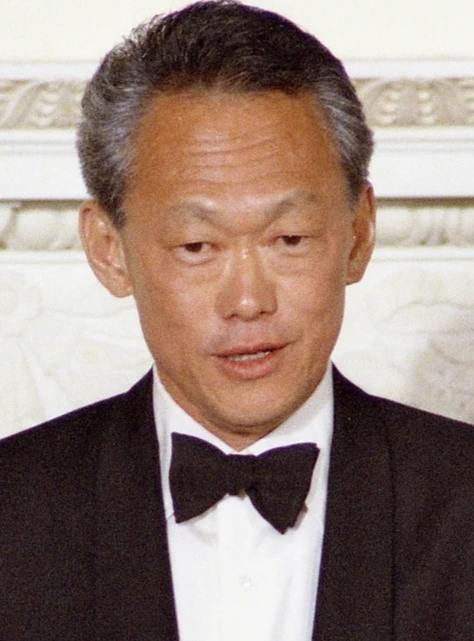
ସିଙ୍ଗାପୁରର ପ୍ରଥମ ପ୍ରଧାନମନ୍ତ୍ରୀ ଲି କୁଆନ ୟୁ (LKY) ତାଙ୍କର ପ୍ରତିମୂର୍ତ୍ତି ବସାଇବାକୁ ମନା କରିଥିଲେ!
- Personal example: When Lee Kuan Yew became Prime Minister in 1959, he refused gifts from well-wishers. He and the PAP government established a strict rule that civil servants and ministers must either pay the market value of a gift or have it auctioned/sold by the government.
- CPIB’s powers: The Corrupt Practices Investigation Bureau was strengthened under Lee. It reports directly to the Prime Minister. If the PM refuses permission to investigate anyone (including a minister or even the PM himself), the Director of CPIB can go to the President for approval. This is written into Singapore’s constitutional framework.
- Living beyond means: Under the Prevention of Corruption Act (amended in 1960), unexplained wealth or living above one’s known income can be used as corroborative evidence of corruption. The burden of proof effectively shifts in such cases.
- High salaries: Lee strongly believed that underpaying capable people creates incentives for corruption. From the 1970s onward (and formalised more strongly in the 1980s–1990s), Singapore paid ministers and senior civil servants competitive salaries deliberately to reduce the temptation to take bribes. Lee repeatedly defended this policy in Parliament.
- Zero-tolerance enforcement: High-profile cases were pursued even against senior figures (e.g., Minister Teh Cheang Wan in the 1980s). The system was designed so that no one was above investigation.
- Cultural and systemic change: Corruption was deliberately reframed as shameful and high-risk. Strict administrative systems, audits, and file discipline were institutionalised.
Fakir Mohan Senapati installed a life-size statue of himself at Shanti Kanan in Balasore during his lifetime out of a deep-seated apprehension that society and the state would neglect his memory and contributions after his passing.
Key Reasons Behind the DecisionFear of Neglect:
Writers and literary experts note that Senapati experienced a sense of premonition regarding how quickly society forgets its cultural pillars, prompting him to secure his own memorial.
Personal Isolation: During his final years, he lived in relative loneliness and physical discomfort, with few close relatives to look after him, magnifying his sense of self-reliance.
Preserving Legacy: Having fought tirelessly to save and enrich the Odia language from near-extinction, he wanted a permanent marker at his native place to anchor his life’s work for future generations.