

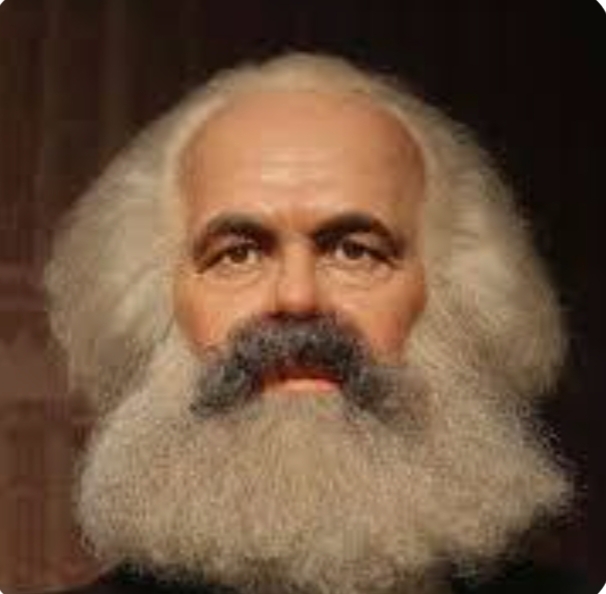
ସାରକଥା-ହଇବ୍ରିଡ୍ ମଡେଲ ଆବଶ୍ୟକ:
ମାର୍କସ ଠିକ ପ୍ରଶ୍ନ ଉଠାଇଥିଲେ, କିନ୍ତୁ ସମସ୍ତ ଉତ୍ତର ଦେଇପାରିନଥିଲେ।
- ତାଙ୍କର ଅସମାନତା ଓ ଶୋଷଣ ବିଷୟକ ଆଲୋଚନା ଆଜି ମଧ୍ୟ ପ୍ରାସଙ୍ଗିକ
- ତାଙ୍କର ଭବିଷ୍ୟବାଣୀ ସମ୍ପୂର୍ଣ୍ଣ ଭାବେ ସଠିକ୍ ସାବିତ ହୋଇନାହିଁ
- ଆଜିର ସଫଳ ପ୍ରଣାଳୀଗୁଡ଼ିକ ହେଉଛି ମିଶ୍ରିତ ଓ ବ୍ୟବହାରିକ
ମୂଲ୍ୟାୟନ:
ମାର୍କସବାଦ ଏକ ଶକ୍ତିଶାଳୀ ସମାଲୋଚନା ଉପକରଣ, କିନ୍ତୁ ଶାସନ ପାଇଁ ଆଜି ଆବଶ୍ୟକ ହେଉଛି ଅନୁକୂଳନଶୀଳ ଓ ମିଶ୍ରିତ ଅର୍ଥନୀତିକ ମଡେଲ୍।
Marxism remains influential, but it is not the only—or fully validated—model explaining modern economies and societies.
Is Marx still relevant today?
Yes, but selectively.
Marx’s analysis of capitalism’s tendencies—like inequality, concentration of wealth, and periodic crises—still resonates. Even mainstream economists and institutions (like International Monetary Fund or World Bank) now openly discuss rising inequality, something Marx emphasized early on.
Concepts linked to:
- Marxism
- Dialectical Materialism
- Class Struggle
…are still used in sociology, political theory, and cultural studies.
But there are clear limitations:
- Marx underestimated the adaptability of capitalism (welfare states, regulations, innovation).
- His prediction of inevitable collapse hasn’t materialized in advanced economies.
- Pure Marxist systems, when implemented rigidly, often produced authoritarian outcomes (e.g., Soviet Union, North Korea).
So, Marx is better seen as a critical lens, not a complete blueprint.
⸻
What alternatives or evolved models work better today?
No single system has “won.” The most successful countries use hybrid models—mixing markets with social protection.
- Social Democracy (Most successful real-world adaptation)
Countries like Sweden, Norway, and Denmark combine:
- Capitalism (markets, private enterprise)
- Strong welfare state (healthcare, education, social security)
- High taxes but high human development
This model addresses inequality without abolishing markets.
⸻
- Regulated Capitalism (Post-war Western model)
After the Great Depression, economists like John Maynard Keynes shaped policies where:
- Governments actively manage demand
- Public spending stabilizes economies
This is still the backbone of economies like the US, UK, and India.
⸻
- State Capitalism / Mixed Model
Countries like China follow a hybrid:
- Strong state control in key sectors
- Market-driven growth elsewhere
This has delivered rapid growth, though with political trade-offs.
⸻
- Modern Welfare Capitalism (India’s evolving path)
India blends:
- Market reforms (since 1991)
- Welfare schemes (subsidies, rural employment, food security)
This is not Marxist, but it does address some concerns Marx raised—like inequality and labor vulnerability.
⸻
Bottom line
Marx asked the right questions—but didn’t provide all the right answers.
- His critique of exploitation and inequality remains powerful.
- His deterministic predictions and one-size-fits-all revolutionary solution have not held up.
- The most successful systems today are pragmatic hybrids, not ideological extremes.
If you’re evaluating honestly:
Marxism is still a tool for critique, but governance today relies more on adaptive, mixed economic models.
⸻











Leave a Reply