

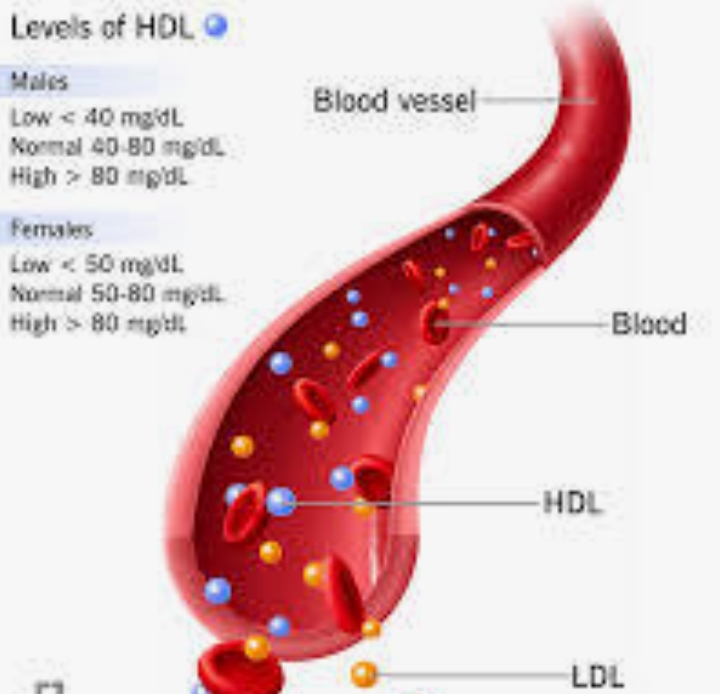
Cholesterol is essential for normal body function; it is not “bad” by default. The problem arises only when blood levels, especially of LDL (“bad”) cholesterol, become too high.
Builds and protects cells
Cholesterol is a key structural component of cell membranes, giving them strength and flexibility and helping control what enters and leaves the cell.
Without cholesterol, cell membranes would be unstable and many basic cellular processes would not work properly.
Makes hormones and vitamin D—-
The body uses cholesterol as a raw material to produce steroid hormones such as estrogen, testosterone, and adrenal hormones that regulate metabolism, stress response, and reproductive function.
It is also necessary for the skin to make vitamin D when exposed to sunlight, which in turn supports bone health and immune function.
Helps with digestion
Cholesterol is used by the liver to make bile acids, which are stored in the gallbladder and released into the intestine to break down fats and aid absorption of fat‑soluble vitamins (A, D, E, K).
Without adequate cholesterol, fat digestion and nutrient absorption would be impaired.
Role of “good” cholesterol (HDL)
High‑density lipoprotein (HDL) cholesterol helps remove excess cholesterol from the bloodstream and carry it back to the liver for disposal, which can reduce the risk of plaque buildup in arteries.
Higher HDL levels are generally associated with lower cardiovascular risk, as long as LDL and total cholesterol are kept in a healthy range.











Leave a Reply