

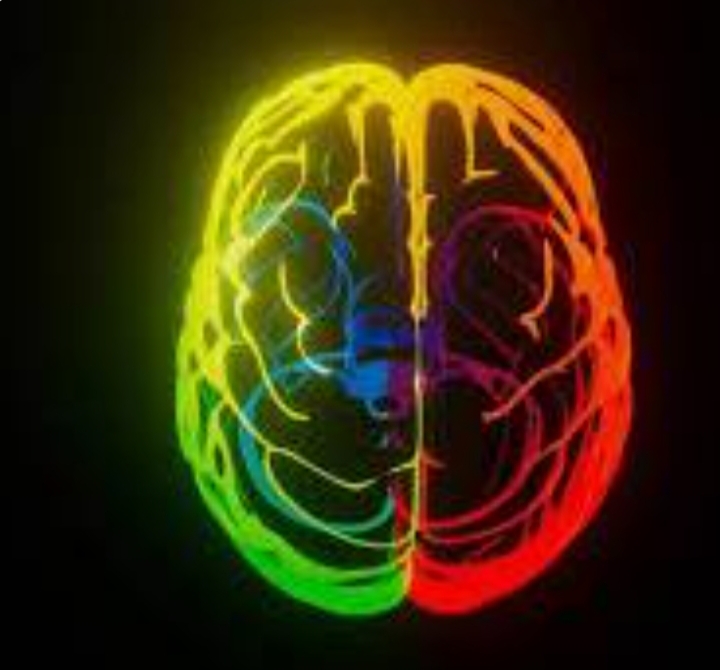
Scientists Identify Five Distinct Eras of Human Brain Development
Human brains go through five distinct phases of life, each defined by its own set of characteristics, according to a new study .
The human brain experiences five distinct eras as we age, and each is defined by changes in our neural architecture that influence how we process information, new research shows. The brain changes associated with these stages shape how our mind ages and ultimately declines .
In a study published on Tuesday in Nature Communication s, researchers compared the brain scans of 3,802 people between zero and 90 years old. By mapping the brain’s connections over time, the scientists detected four turning points in brain structure over the course of a human life: at age 9, 32, 66 and 83 .
What this means, according to the researchers, is that our brain’s connections wire themselves in pretty much the same way from birth to nine years of age. Then our neural architecture starts to organize differently as we enter adolescence, continuing through age 32. At this point, the brain’s structural development appears to peak, according to the study.
“What we find suggests that the journey from childlike brain development to this peak in the early 30s is distinct from other phases in the lifespan,” says Alexa Mousley, the study’s lead author and a neuroscientist at the University of Cambridge.
“ This doesn’t mean that the brain of a 17-year-old and a 30-year-old look are the same—it’s specifically that the types of changes occurring … are consistent,” she adds.
At age 32, the brain’s longest rewiring era begins, marking the opening of the adult years. It’s at this point that brain architecture starts to stabilize compared withthe previous phases, and Mousley says this corresponds to past research that found that there is also a “plateau in intelligence and personality around this time.”
After the mid-60s, brain connections start to deteriorate. And by the last turning point, 83 years old, connectivity declines even further .
In a recent statement, Duncan Astle, a professor of neuro-informatics at Cambridge and a co-author of the study, said these epochs of brain development may mirror how humans experience changes over time.
“Looking back, many of us feel our lives have been characterised by different phases,” he said. “It turns out that brains also go through these eras.”
It’s unclear what these major shifts can tell us about learning and development in the brain, Mousley says. Past research has also pointed toward distinct phases of brain development through the lifespan, and it remains unclear how lifestyle factors or other variables may influence brain aging in individuals. And while the new study finds an obvious peak in efficiency in one’s early 30s, that could be linked to evolution, lifestyle changes or genetic factors.
Researchers have classified these five distinct eras based on significant evolutionary milestones, geological changes, and human development. Each era provides insights into the climatic conditions and biodiversity that defined different periods.
- Era One: The Precambrian Period
- Spanning nearly 90% of Earth’s history, this era includes the formation of the planet and the appearance of the first simple life forms.
- Era Two: The Paleozoic Era
- Marked by the Cambrian Explosion, this era witnesses the development of complex marine ecosystems and the first terrestrial flora and fauna.
- Era Three: The Mesozoic Era
- Known as the Age of Dinosaurs, this era features the dominance of reptiles and the appearance of mammals and birds.
- Era Four: The Cenozoic Era
- Often referred to as the Age of Mammals, this era sees the diversification of life forms following the extinction event that eliminated the dinosaurs.
- Era Five: The Anthropocene
- A proposed era characterized by significant human impact on geology and ecosystems, highlighting issues such as climate change and habitat destruction.
Understanding these distinct eras enhances our knowledge of Earth’s history and informs current conservation efforts to protect the planet for future generations .











Leave a Reply