

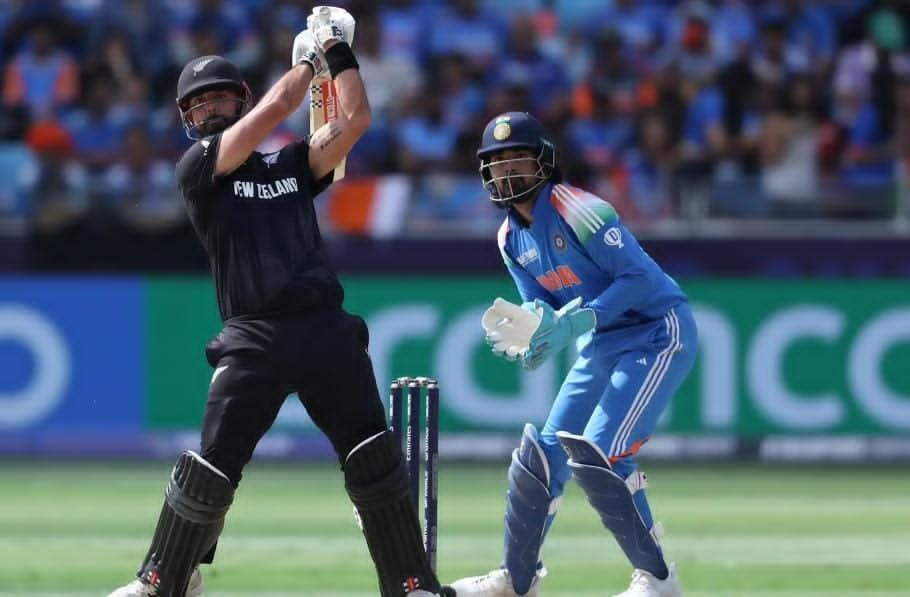
Ignoring Talent Has a Cost: Lessons from India–New Zealand ODI
New Zealand thrashed India by seven wickets to level the series 1–1, setting the stage for an exciting decider. For the first 10 overs, it appeared India would win by a massive margin, but the pitch eased considerably in the second innings. New Zealand adapted better and fully deserved credit for their disciplined and confident performance.
This defeat, however, raises questions that go beyond the routine narrative of victory and loss, which are inseparable from sport. The deeper concern is about team selection and the persistent tendency to ignore proven talent.
Despite the coach Gautam Gambhir’s poor performance so far, he continues to be retained, largely because of political patronage rather than outcomes. More strikingly, they recently whitewashed India 3–0 in the Test series. These are not isolated incidents; they point to structural issues in decision-making.
India plays an excessive number of matches, including the IPL, yet still seems unable to find a reliable substitute for Hardik Pandya. Mohammad Shami is undoubtedly a superior and more dependable bowler, and the absence of Jasprit Bumrah was clearly felt—he could have made a decisive difference. Questions also arise over why Nitish Reddy was not given the ball, and why a spinner like Varun Chakravarthy, who could have exploited the conditions, was not utilised more effectively.
The issue, therefore, is not merely about one match or one series. Occasionally, a team may win despite leaving out its best players, but such an approach cannot succeed consistently. Ignoring merit, form, and skill may yield short-term results once in a while, but in the long run it weakens the team and costs matches.
Talent cannot be sidelined indefinitely without consequences.
Dr. Santosh Kumar Mohapatra








Leave a Reply